Track-life hours, bushing wear rates, rebuild windows and contractor feedback from quarries, highway cuts, demolition pads and coastal stockyards.
Each published case follows the same engineering path: duty-cycle definition, wear survey, kit pitch match, site staging, rebuild witness and reliability handoff. Scroll the milestones to see how recent undercarriage programs matured from first inquiry to first productive dig hour.
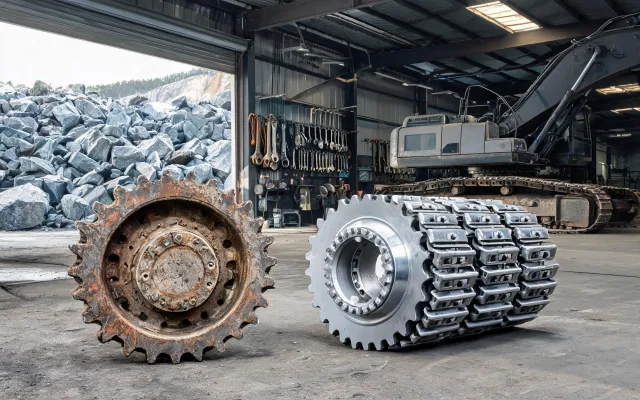
Quarry fleets standardized on sealed-and-lubricated track groups with ISO 9001 audit packs.
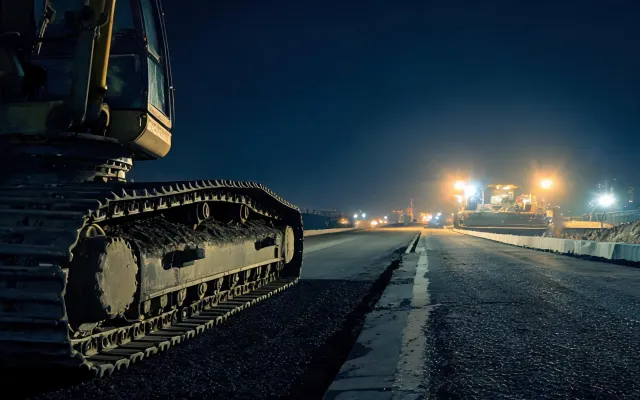
Highway corridor excavators cleared rainy-season windows with zero thrown tracks on contracted hours.
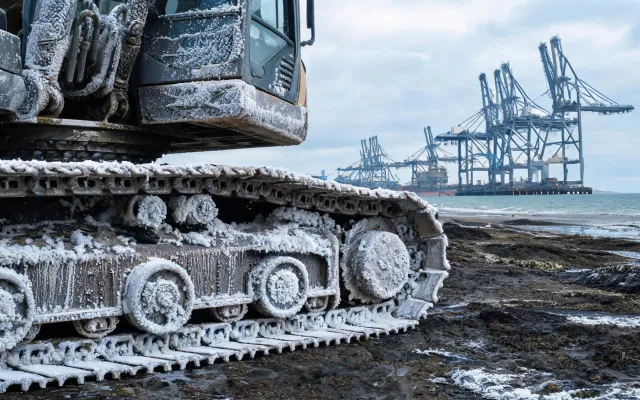
Coastal stockyard seal packages cut salt-fog roller failures while holding flotation shoe width.
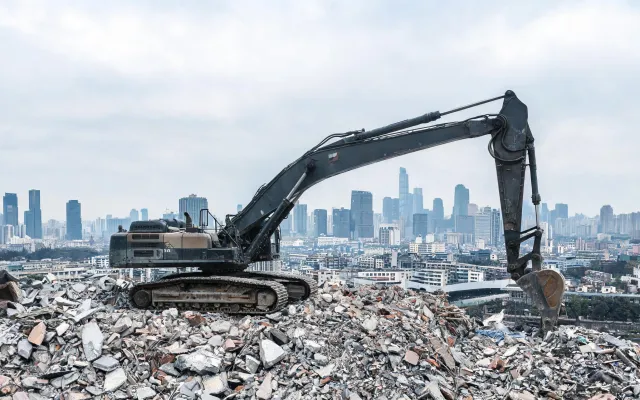
Demolition high-reach fleets synchronized GET and undercarriage change-outs on shared hubs.
Predictive bushing stretch reports added for EPC engineers of record.
Connected wear-survey dossiers rolled out for global fleet managers.
Names below represent program types and collaboration models — not an endorsement claim beyond published project references.
Reference packs quote excavator operating weight class, track shoe width (mm), rail hardness (HRC), bushing life (h), ground pressure (kPa), and hydraulic system pressure only when sampled during related attachment or final drive work.
Example envelope: 6,500–8,000 h on abrasive limestone with sealed pins; granite faces require hardness rematch after stretch surveys tied to digging depth and breakout force cycles.
Typical highway cut: 600 mm triple-grouser sized to ground pressure (kPa); pitch rematch when link stretch exceeds OEM turn criteria around the final drive sprocket.
Wear-survey sheets, hardness lot maps, bucket capacity notes where GET change-outs ran with the undercarriage window, and ISO 9001 process excerpts for mill traceability.
Applications engineers share the wear-survey method used on the cited site: pin stretch gauge points, bushing OD readings, sprocket tooth-profile photos, and the excavator operating weight / track shoe width pair that produced the published hours. Fleets can request a complementary sample wear kit and a 30-minute review with an applications engineer before locking a rebuild window.
We do not publish anonymous “world-class” claims. Every dossier lists geology class, dig-cycle pattern, rebuild staging days and whether hydraulic system pressure was sampled only because an attachment or final drive interface was in scope.
When EPCs ask how Hensley kits compare with other undercarriage sources, we answer with measurable dimensions instead of brand tables: rail hardness (HRC) map density, seal package type for salt-fog vs. dry dust, pitch rematch criteria around the final drive, hub staging SLA (hours), and ISO 9001 lot traceability depth.
Tell us your excavator class, rock type and audit standard. We assemble comparable Hensley project references with duty cycles, rebuild notes and customer feedback excerpts.